Ask first, earn the rest
What a week of letting AI run my small business taught me about when it should act, and when it should ask.
Claude posted on my business Facebook Page, in my name, and I only saw it after it was public.
My rule after that week is simple. If a mistake is small and easy to undo, AI can act and tell me after. If it speaks for me, spends my money or can't be undone, AI asks first. Over time, posting can earn fewer asks. Money and deleting never do. That means fewer asks, not more.
I'm a product designer with a one-person studio in Boston: no tech team, a shared laptop, my real accounts. I let Claude work on my website, my ads and my socials, and I built my studio's app with it. Plenty of small business owners are doing the same. Here's what that week looked like.
When it speaks for me
I asked Claude to share my LinkedIn comment as a note on my Facebook Page. Notes cap at 60 characters, so it rewrote my words and posted them without showing me. It was one short note, but it went out in my name before I'd read it. Anything that speaks for me should come as two or three options. Nothing goes out until I pick.
The next one could have been much worse. Claude made the image for my portfolio launch post and scheduled it for 9 AM the next morning. The image used screenshots from a past client's project, with my old colleagues' names on them. Nothing flagged it. I caught it only because I asked about my confidentiality agreement. The people in those screenshots never got a say. Before anything goes public, AI should flag what looks private: names, client work, faces.
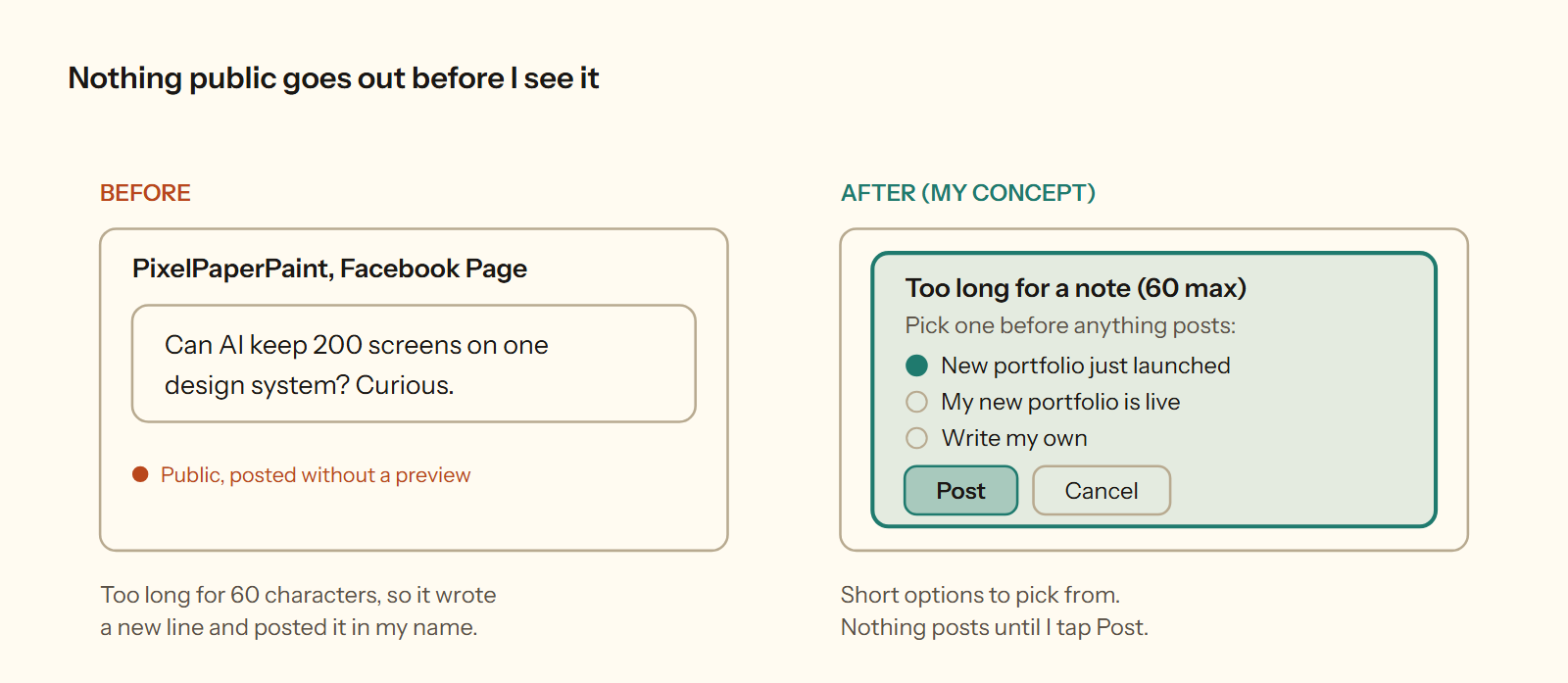
Figure 1: Posting in my name. Before is what happened, after is my concept.
When it can't be undone
I asked Claude to deactivate an old Facebook Page. It landed on my personal profile's deactivation screen by mistake, then stopped and backed out. Good. Then I deleted the Page myself and had to type "can you get it back i just deleted it". Facebook keeps deleted Pages for 30 days, so it came back.
People make permanent mistakes too. The more I can undo, the less AI needs to ask. But most things don't come with 30 days, so deleting always asks.
The money rule held. When I said "when it's the payment things i will handle", Claude stopped right at "Publish campaign".
The small stuff
On my website, Claude removed a "Follow Us on Social" section it thought was filler. That's fine. Nobody gets notified when my website changes, and undo is one click. I just want to know right away, with an Undo button next to it.
It also made me a list of "Calls I made without asking", with a reason for each. That list was the most useful thing it made all week, and I only got it after I pushed back. It should come on its own.
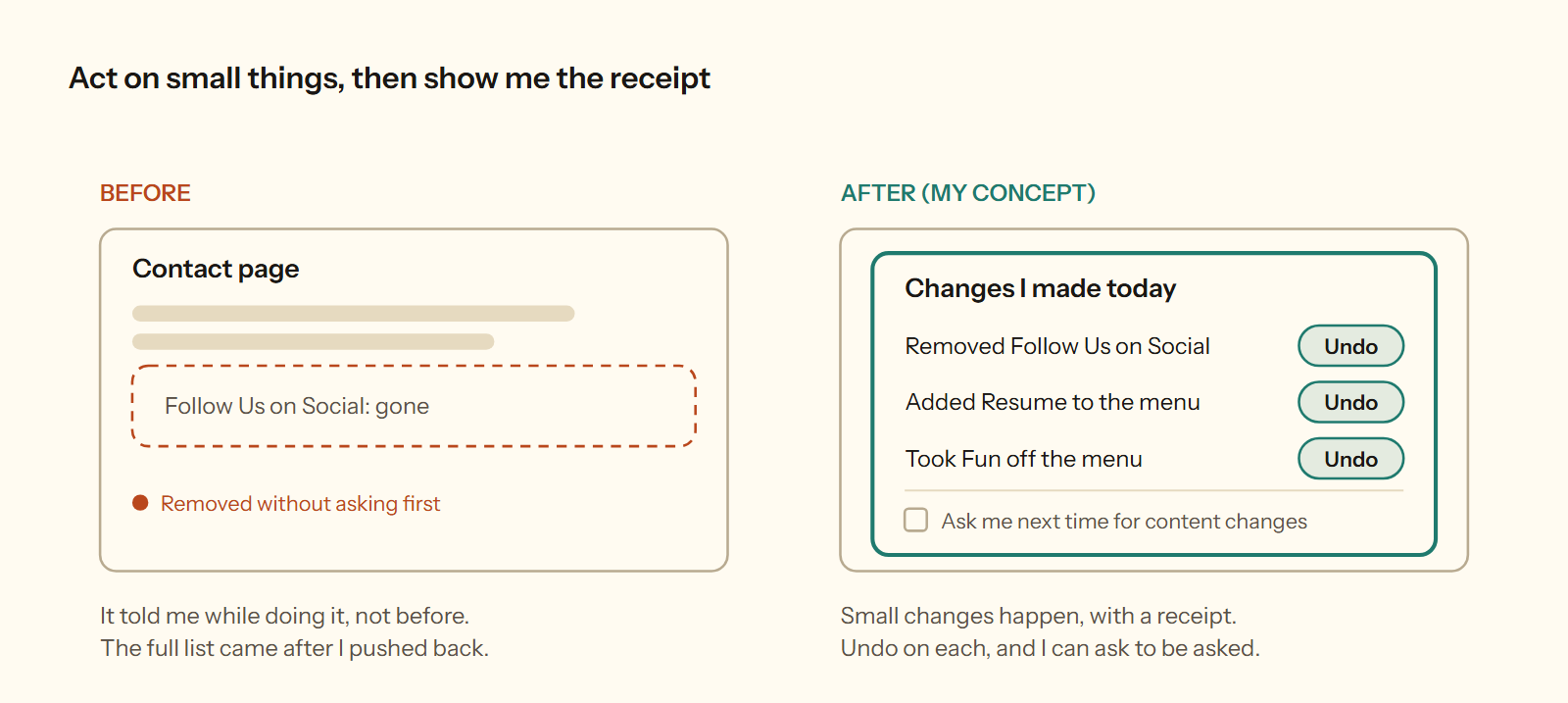
Figure 2: Small changes with a receipt. Before is what happened, after is my concept.
But a report after the fact only works if it's true. Claude told me a setting was off when it was already on. Three leads in my Ads dashboard turned out to be test visits, most of them its own. Real inquiries: 0. "I'm not sure" beats a confident wrong answer, and test data should look like test data.
How it asks
An ask only helps if I see it and understand it.
Every morning at 8, Claude puts together a brief of trends and post ideas for my studio. The first time it ran, it stopped to ask for permission. Good. But the ask sat in a chat I'd never opened, while I stared at the brief typing "wait what am i supposed to do?" When I found it, I clicked "Always allow" on a task that runs while I'm asleep, without knowing what "always" covered.
A good ask shows up where I'm looking. It says exactly what "always" covers. And it tells me what happens if I don't answer.
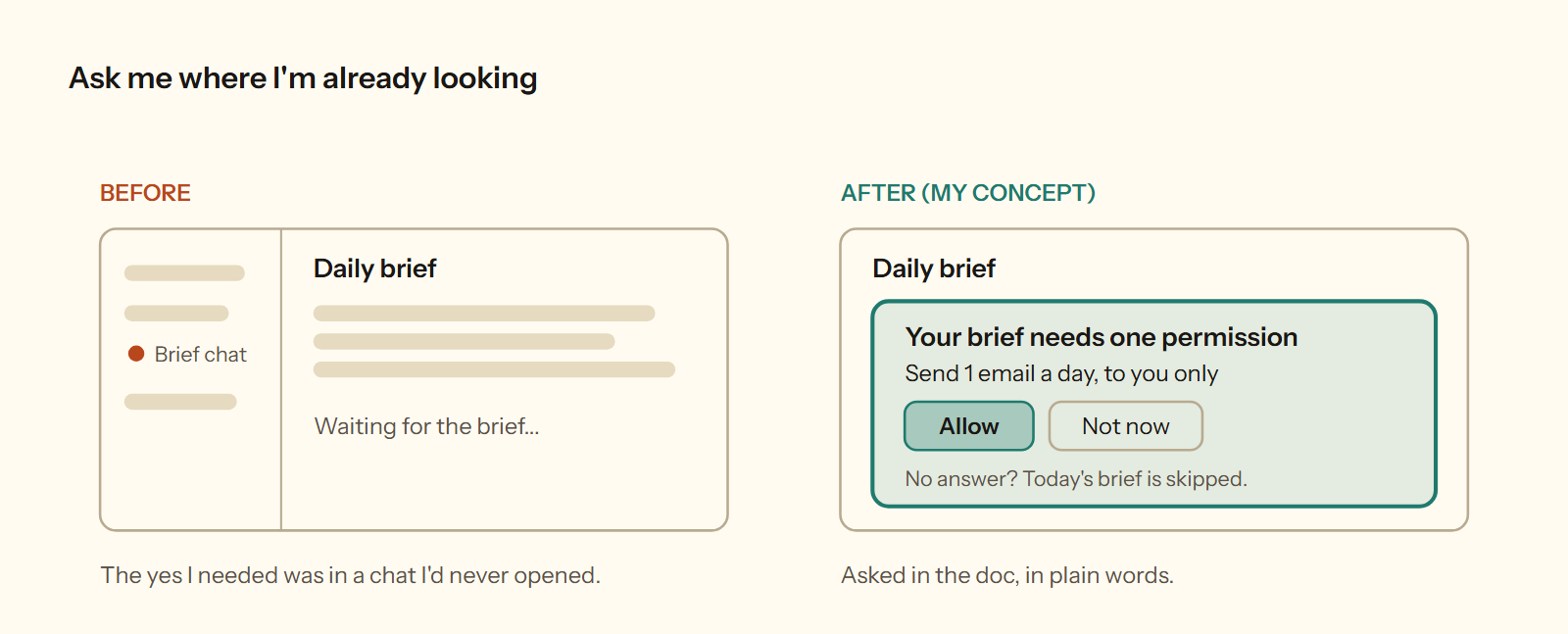
Figure 3: The permission ask. Before is what happened, after is my concept.
Asking goes both ways. Setting up Google Ads, I typed "WHAT IS THIS WINDOW THAT IS OPEN?" and Claude kept clicking and saved my goal before it answered. A question from me should be a pause: answer first, then ask if it should keep going.
Trust, one step at a time
My grandmother would have someone show her how to do something on her phone once, and it wouldn't stick. In my notes I wrote "Honestly whatever did stick was through practice". Trust came from doing it herself, again and again, until it became a habit.
AI should earn trust the same way. If I tap Post 20 times in a row without changing a word, it can stop asking for every post and ask once for the week's batch. Money and deleting never move down. If I start undoing things, the ask moves back up. Approving without edits could also just mean I stopped reading. So AI should tell me when an ask moves down, and let me say no.
My app drafts my Instagram posts, so it's my test. For the next month I'm counting how often it asks, how often I approve without edits, and how often I undo what it did on its own. Right now, nothing posts until I tap Post. Ask me again in a month.
